Engineering
African
Excellence
ANED Dev Center
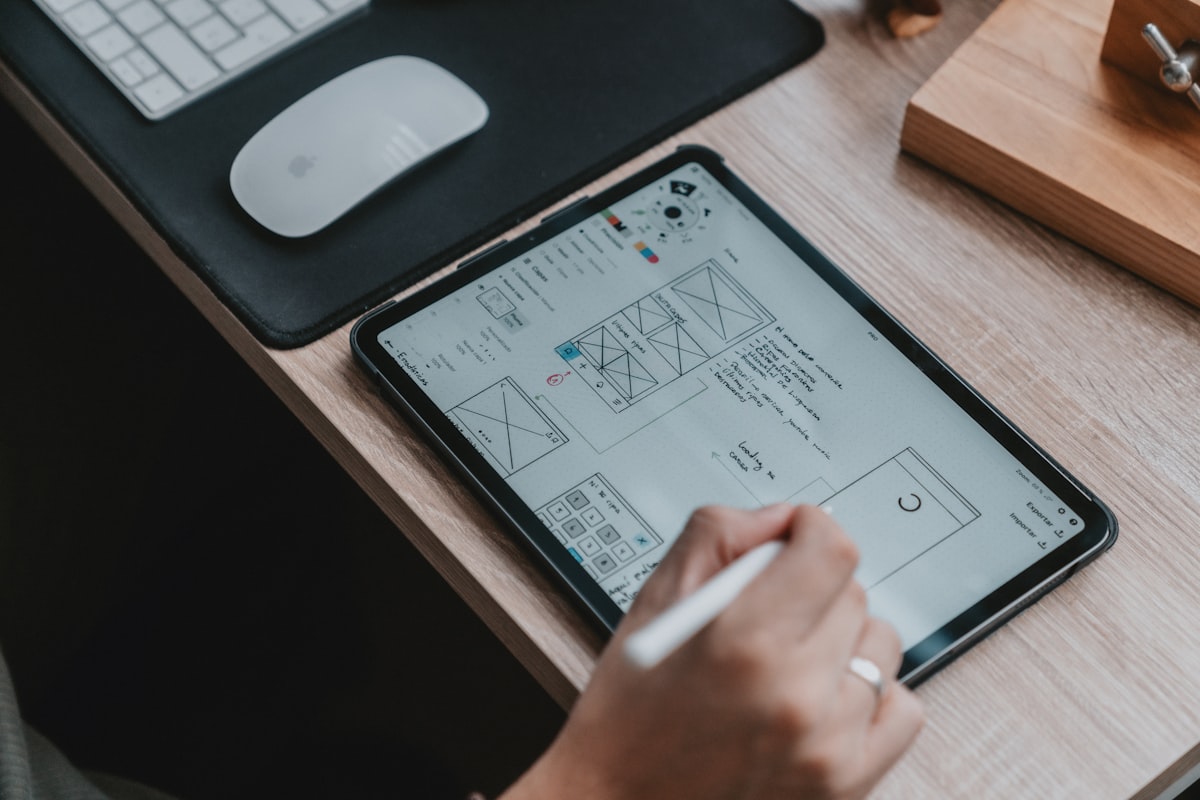
Africa is not one market. It is 54 countries, over 2,000 languages, vastly different infrastructure realities, and a spectrum of digital literacy that ranges from Silicon Savannah tech workers to first-time smartphone users in rural communities. Designing products that work across this diversity is one of the most complex UX challenges in the world, and the lessons learned from doing it well have implications far beyond the continent. At ANED, our design team has spent years refining an approach to African-first UX that we believe offers a blueprint for truly inclusive product design.
Multi-Language Design: Beyond Simple Translation
Supporting multiple languages in an African product is not as simple as running strings through a translation API. Many African languages have significantly longer word lengths than English. A button that reads "Submit" in English might require "Wasilisha Maombi" in Swahili or "Fi Esi Le" in Yoruba, breaking carefully designed layouts. Some languages, like Amharic and Tigrinya, use the Ge'ez script, which requires different font rendering, line-height calculations, and minimum font sizes to remain legible. Arabic and Tamazight require full right-to-left (RTL) layout support, which affects everything from text alignment to icon directionality to the position of navigation elements. Designing for this linguistic diversity means building flexible, elastic layouts from the start rather than treating localization as an afterthought.
ANED's approach to multi-language UI/UX design begins at the wireframing stage, where we design every component with a "language stress test" in mind. We create layouts using the longest expected string for each element, ensuring that no design breaks when translated into languages with longer word lengths. Our design system includes RTL-aware components that automatically mirror layouts when Arabic or other RTL languages are active, including reversing icon directions, swapping navigation positions, and adjusting reading flow. We have found that designing for the most demanding language requirements first, rather than designing in English and adapting later, produces interfaces that are more robust and flexible regardless of the active language. Every ANED product supports a minimum of eight languages at launch, with the infrastructure to scale to the full set of 50+ African languages as translations are completed.
Designing for Budget Devices and Low Bandwidth
The majority of African internet users access digital products on devices that would be considered entry-level by Western standards. Devices with 1-2GB of RAM, small screens ranging from 4.5 to 5.5 inches, and processors several generations behind current flagships are the norm, not the exception. Designing for these devices means ruthlessly prioritizing performance over visual polish. Every animation, every high-resolution image, every JavaScript bundle has a real cost measured not in milliseconds but in whether the product is usable at all. We have observed firsthand that the difference between an app that loads in 3 seconds and one that loads in 8 seconds is not a minor UX degradation but the difference between adoption and abandonment.
Our design team works within strict performance budgets that influence every design decision. Hero images are designed to be meaningful at aggressive compression levels. Animations use CSS transforms and opacity changes rather than JavaScript-driven layout animations that consume precious CPU cycles. We design "skeleton screens" and progressive loading states that give users immediate feedback even when content is still loading over slow connections. Icons are preferred over photographs for UI elements because they render instantly and consume negligible bandwidth. Every ANED product includes a "lite mode" toggle that strips back visual richness in exchange for dramatically faster performance, a feature that our analytics show is activated by over 40% of users in bandwidth-constrained regions. This is not about making ugly products; it is about making beautiful products that respect the real conditions under which they will be used.
Cultural Sensitivity in Visual Design
Color, imagery, iconography, and layout all carry cultural meaning that varies dramatically across Africa's diverse societies. Green is associated with Islam in North and West Africa, with nature and agriculture in East Africa, and with specific political parties in Southern Africa. Using green as a success indicator works in some markets and creates unintended associations in others. Hand gesture icons that are universally understood in Western contexts, such as the thumbs-up, can carry different connotations in certain African cultures. Stock photography featuring people of one ethnic group may not resonate, or worse, may alienate users from different communities. Designing for cultural sensitivity requires deep local knowledge and a willingness to create region-specific variants of visual elements rather than assuming universal applicability.
At ANED, we address cultural sensitivity through a combination of systematic research and local design teams embedded in each of our seven African offices. Our design system uses a semantic color approach where the meaning of colors is separated from their visual representation, allowing the same interface to use culturally appropriate color mappings in different markets without changing the underlying design logic. We maintain an extensive library of custom illustrations and icons featuring diverse African representation rather than relying on Western stock imagery. User research sessions conducted in local languages with participants from target communities inform every major design decision, ensuring that our products feel native rather than imported. This investment in cultural authenticity has measurable business impact: our client products that incorporate culturally specific design elements consistently achieve 25-35% higher engagement rates than their culturally generic counterparts.
The ANED Design System: Consistency Across 20+ Products
Maintaining design consistency across ANED's ecosystem of over 20 interconnected products is a challenge that required building a comprehensive design system from the ground up. The ANED Design System defines everything from color palettes and typography scales to component behaviors, animation patterns, and accessibility requirements. Every product in the ANED suite, from the CRM to the ERP to the AI platform, shares the same visual language, ensuring that users moving between products experience a coherent, unified interface rather than a disjointed collection of separate applications. This consistency reduces cognitive load and training time, which is particularly important for users who may be encountering enterprise software for the first time.
The design system is built around several core principles that reflect African market realities. First, every component supports both light and dark modes, with dark mode designed not just as an aesthetic preference but as a practical consideration for users in regions with frequent power outages who need to conserve device battery life. Second, every component is touch-optimized with minimum 44x44 pixel touch targets, acknowledging that the vast majority of African users interact via touchscreens rather than desktop pointing devices. Third, every component includes built-in accessibility features including screen reader support, keyboard navigation, and sufficient color contrast ratios that meet WCAG 2.1 AA standards. Fourth, every component is designed to function gracefully in offline and low-bandwidth states, with appropriate loading indicators, error states, and cached fallback content. The design system is not a static document but a living codebase maintained by a dedicated team, with automated visual regression testing that ensures updates do not break existing implementations across any product.
Accessibility and Inclusive Design for African Markets
Accessibility in African product design extends beyond the traditional WCAG compliance checklist to encompass challenges unique to the continent's user base. Low literacy rates in certain regions mean that text-heavy interfaces are inherently exclusionary; our designs use icons, illustrations, and color coding alongside text labels to ensure that meaning is communicated through multiple channels. Voice input and audio feedback capabilities are integrated into products serving markets where oral communication traditions are strong and typing fluency may be limited. We design for users who share devices, which means session management, privacy controls, and quick account switching are UX features rather than edge cases. Font sizes, touch targets, and information density are calibrated for users who may be accessing products outdoors in bright sunlight on low-contrast screens rather than in controlled office lighting.
One of the most impactful accessibility decisions we have made is implementing progressive disclosure throughout our products. Rather than presenting users with all available features and options simultaneously, we reveal complexity gradually based on user expertise and task context. A first-time user of an ANED product sees a simplified interface with core actions prominently displayed and advanced features tucked behind clearly labeled expansion points. As the user's comfort grows, the interface adapts, surfacing more powerful capabilities without overwhelming users who do not need them. This approach has proven particularly effective for products deployed in African markets where users have widely varying levels of digital literacy, allowing a single product to serve both a tech-savvy developer in Nairobi and a first-time digital user in a rural community, each experiencing an interface tailored to their needs without separate product versions.