Engineering
African
Excellence
ANED Dev Center
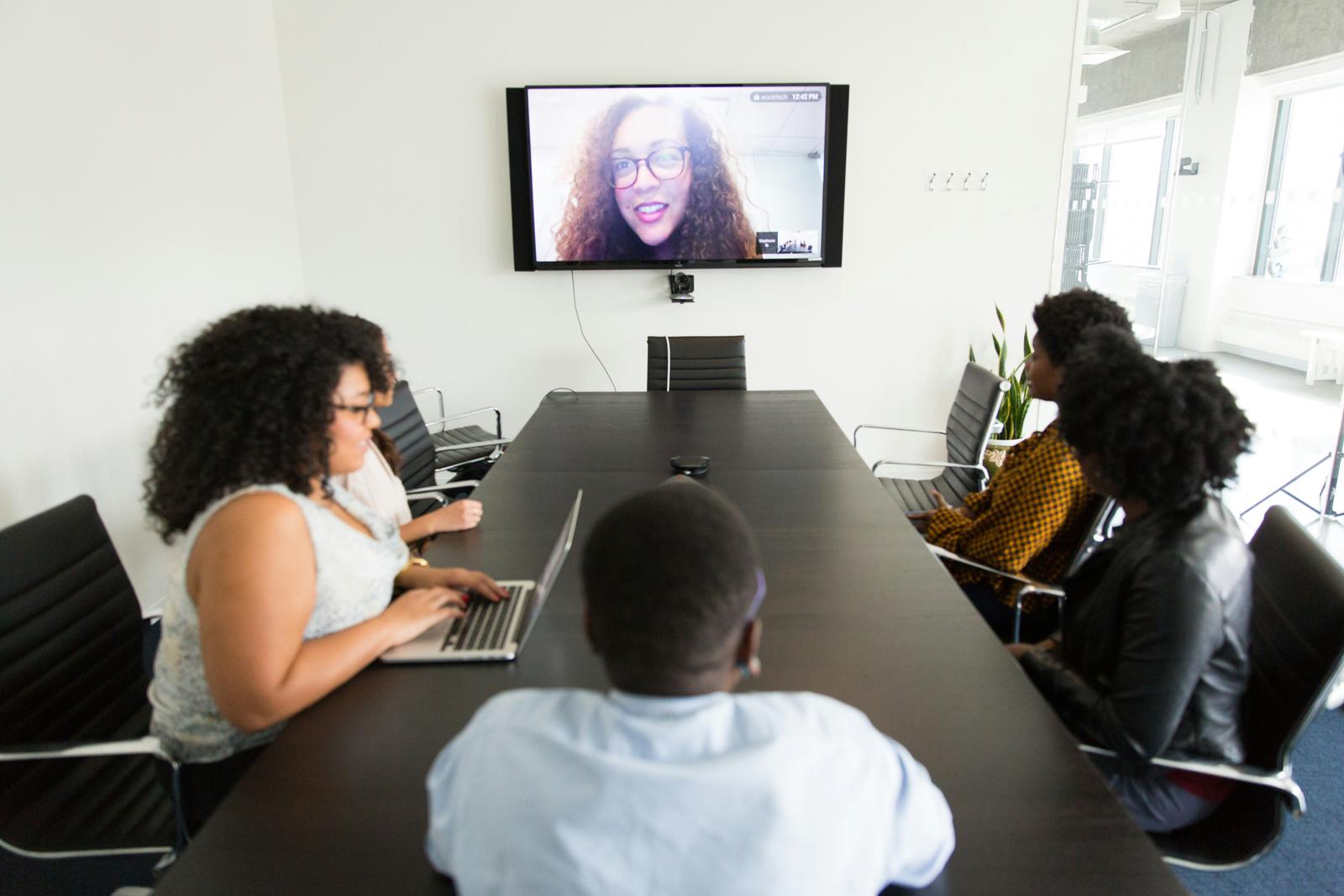
When ANED established engineering centers in both Nairobi and Lagos, we knew that building a unified engineering culture across two cities, two countries, and two distinct tech ecosystems would be one of our greatest challenges. Two years later, our cross-border team delivers software that neither center could build alone. This article shares the hard-won lessons from building and operating pan-African engineering teams that consistently deliver high-quality software.
The Time Zone Advantage and Challenge
Kenya and Nigeria share the same time zone offset from UTC but operate on different business rhythms. Lagos engineers tend to start later and work later, while Nairobi teams generally follow a more traditional 8-to-5 schedule. Rather than forcing a single schedule, we designed our workflow around a core overlap window of 10:00 AM to 4:00 PM EAT/WAT, during which all synchronous collaboration takes place.
This async-first approach required significant investment in written communication practices. Every technical decision is documented in Architecture Decision Records (ADRs). Code reviews are thorough and written clearly enough that an engineer in a different time zone can understand and act on the feedback without needing a follow-up call. We use Loom for asynchronous video updates that give teams context without requiring everyone to be online simultaneously.
Cultural Differences in Engineering Practices
Nigerian and Kenyan engineering cultures, while sharing many similarities, have distinct approaches to problem-solving, communication, and hierarchy. Lagos engineers tend to be more direct in code reviews and more willing to challenge architectural decisions publicly. Nairobi engineers often prefer to build consensus privately before presenting ideas in group settings. Neither approach is superior, but failing to accommodate both leads to communication breakdowns.
We addressed this by establishing explicit communication norms that draw on the strengths of both cultures. Code review feedback follows a structured format that separates blocking issues from suggestions. Architectural discussions use a written RFC process where everyone has equal opportunity to contribute. Regular cross-center team rotations, engineers spending two to four weeks at the other center, have been the single most effective investment in building mutual understanding and trust.
Unified Engineering Standards and Retention
Maintaining consistent code quality across two centers requires more than shared linting rules and CI pipelines. We established a unified engineering handbook that codifies everything from error handling and logging standards to test coverage expectations and documentation requirements. This handbook is a living document, maintained as a Git repository where engineers from both centers propose and review changes.
Retention is perhaps the biggest challenge facing pan-African engineering teams. Top engineers in both Lagos and Nairobi are heavily recruited by global tech companies offering remote positions with Western salaries. ANED competes on the opportunity to work on meaningful problems affecting the African continent, career development that invests in long-term growth, and a culture that values African engineering perspectives. The future of African tech is pan-African, building effective cross-border teams is a strategic imperative for anyone serious about building technology for Africa's 1.4 billion people.